

Cytokinetics Announces Positive Results from ACACIA-HCM Presented in Hot Line Session at the European Society of Cardiology (ESC) Congress 2026 and Published in The New England Journal of Medicine
ACACIA-HCM is the First Phase 3 Clinical Trial to Successfully Demonstrate Statistically Significant Improvements Across Both Patient-Reported and Physician-Assessed Endpoints in Non-Obstructive HCM
Supplemental New Drug Application to be Submitted to FDA in Fourth Quarter
Company to Host Investor Event and Webcast Today at 2:00 PM Central European Summer Time (8:00 AM Eastern Time)
SOUTH SAN FRANCISCO, Calif., Aug. 28, 2026 (GLOBE NEWSWIRE) -- Cytokinetics, Incorporated (Nasdaq: CYTK) today announced the primary results from ACACIA-HCM (Assessment Comparing Aficamten to Placebo on Cardiac Endpoints In Adults with Non-Obstructive HCM), the pivotal Phase 3 clinical trial of aficamten in patients with symptomatic non-obstructive hypertrophic cardiomyopathy (nHCM) were presented in a Hot Line Session at the European Society of Cardiology (ESC) Congress 2026 in Munich, Germany, and simultaneously published in The New England Journal of Medicine.1
ACACIA-HCM met both dual primary endpoints, demonstrating statistically significant improvements from baseline to Week 36 compared to placebo in both Kansas City Cardiomyopathy Questionnaire Clinical Summary Score (KCCQ-CSS) and maximal exercise performance (pVO2). Results for the dual primary endpoint analysis consistently favored aficamten across prespecified subgroups studied.
Based on the positive results from ACACIA-HCM, Cytokinetics plans to submit a supplemental New Drug Application to the U.S. Food and Drug Administration (FDA) for aficamten for the treatment of adult patients with symptomatic nHCM in the fourth quarter of 2026.
“ACACIA-HCM is the first-ever positive clinical trial in non-obstructive HCM,” said Stephen Heitner, M.D., Cytokinetics’ Chief Medical Officer. “As shown in presentation and publication, the results from ACACIA-HCM are both statistically robust, consistent across prespecified subgroups and other secondary endpoints, and clinically impactful for these patients with non-obstructive HCM. As such, these data may potentially translate into a new treatment option for patients with HCM with no available medical treatments that directly address their underlying disease. If approved, we look forward to seeing aficamten become the first cardiac myosin inhibitor to treat the full spectrum of symptomatic HCM.”
“We are grateful to the patient community and the clinical trial team who contributed to the successful completion of ACACIA-HCM, a fitting tribute to the patients and families who have struggled with this disease for many years and across generations. We are also pleased that most of the eligible patients from ACACIA-HCM are continuing treatment with aficamten in FOREST-HCM,” said Ahmad Masri, M.D., M.S., Director, Hypertrophic Cardiomyopathy Center and Cardiac Amyloidosis Program, Oregon Health & Science University and Principal Investigator of ACACIA-HCM. “We look forward to applying this study’s groundbreaking scientific knowledge into clinical practice upon potential approval, addressing this area of HCM where patients do not have adequate treatment options.”
ACACIA-HCM: Efficacy
The baseline characteristics of patients enrolled in ACACIA-HCM were well-matched between treatment groups and consistent with a symptomatic nHCM phenotype with substantial disease burden despite normal left ventricular ejection fraction (LVEF).
There were two pre-specified primary endpoints, KCCQ-CSS and pVO₂, evaluated in parallel. For each endpoint, a p-value of 0.025 or less was considered statistically significant. Compared to placebo, treatment with aficamten demonstrated statistically significant improvements in both dual primary endpoints at 36 weeks (Table 1).
Table 1: Dual Primary Endpoint Results
| Primary Endpoints |
Change from Baseline to Week 36 LSM [95% CI] |
Aficamten vs Placebo LSM (95% CI) |
P-value | |
| Aficamten | Placebo | |||
| KCCQ-CSS | 11.4 [9.6 – 13.2] | 8.4 [6.6 – 10.2] | 3.0 (0.5 - 5.5) | 0.021 |
| pVO2 (ml/kg/min) | 0.64 [0.32 – 0.95] | -0.03 [-0.35 – 0.28] | 0.67 (0.22 - 1.1) | 0.003 |
| LSM = least square mean; CI = confidence interval | ||||
Improvements in KCCQ-CSS relative to placebo were noted beyond titration and throughout the treatment period in participants treated with aficamten, such that patients remaining on treatment at 72 weeks demonstrated a least square mean (LSM) change from baseline in KCCQ-CSS of 7.0 points. Of note, following a washout of aficamten for four weeks, the KCCQ-CSS declined from the end of treatment for participants on aficamten to match that in the placebo group (Figure 1).
Figure 1: Assessment of KCCQ-CSS
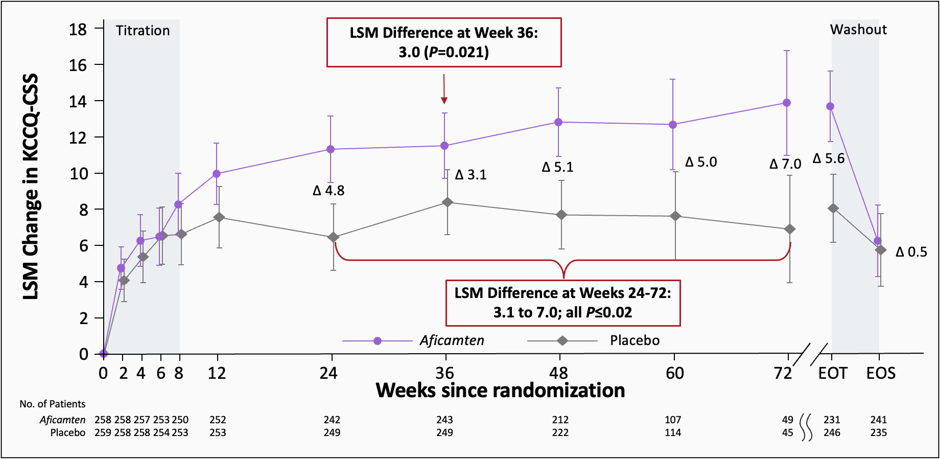
The figure is based on the observed data, except that the inset box of Week 36 LSM difference and p-value are from the primary analysis imputed data.
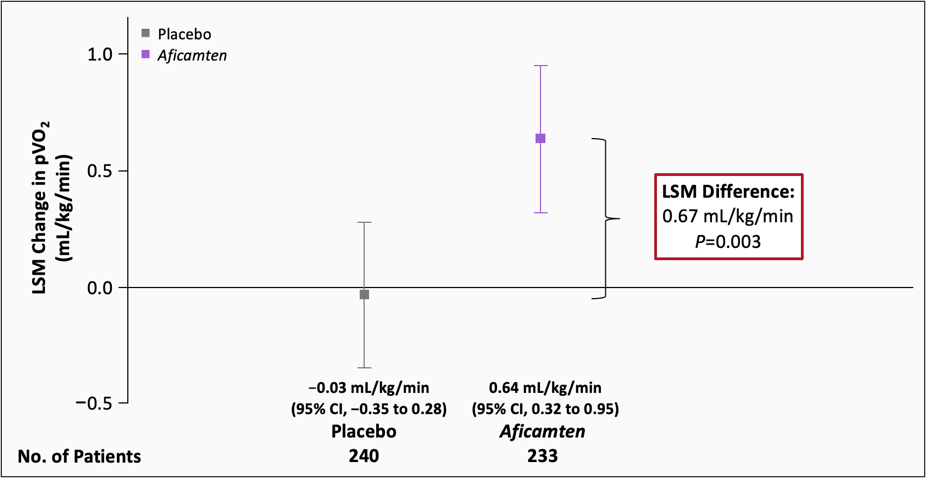
At Week 36, pVO2 increased for participants on aficamten while it remained unchanged for participants on placebo (Figure 2).
Figure 2: Assessment of pVO2
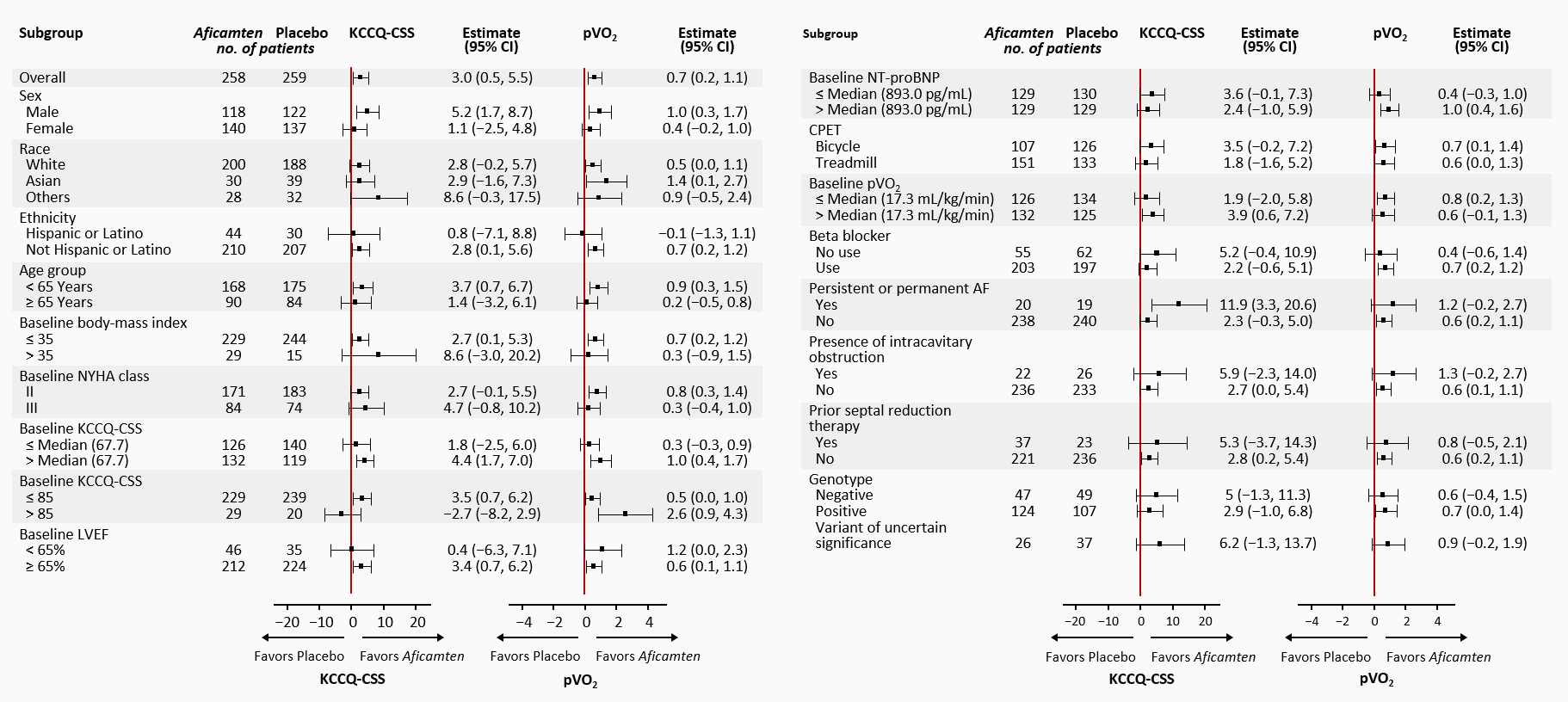
The treatment effect of aficamten on both dual primary endpoints was consistent across all prespecified subgroups, including baseline LVEF, atrial fibrillation status, genotype, age, sex, whether patients were receiving background beta-blocker therapy and whether patients had intracavitary obstruction at baseline (Figure 3).
Figure 3: Pre-Specified Subgroups for KCCQ-CSS and pVO2
Statistically significant improvements compared to placebo were observed in key ranked secondary endpoints, including New York Heart Association (NYHA) Functional Class, the composite z-score of two cardiopulmonary exercise testing (CPET) parameters (VE/VCO2 and pVO2), and NT-proBNP, a biomarker of cardiac wall stress. Statistical significance was not met on the endpoints of change from baseline in left atrial volume index or the time to first cardiovascular event for aficamten compared to placebo (Table 2).
Table 2: Secondary Endpoints
| Secondary Endpoints |
Change from Baseline to Week 36 LSM (95% CI) |
Aficamten vs Placebo Treatment Difference (95% CI) |
P-value | |
| Aficamten | Placebo | |||
| Improvement of ≥1 NYHA class at week 36 – n (%) | 108 (41.9) | 72 (27.8) | 14.1 (6.0 to 22.2) | <0.001 |
| Change in composite z-score of two CPET parameters (pVO2 and VE/VCO2) at week 36 | 0.05 (-0.01 to 0.12) | -0.09 (-0.14 to -0.05) | 0.14 (0.07 to 0.22) | <0.001 |
| Proportional change in NT-proBNP level at week 36 – pg/ml | 0.43 (0.39 to 0.46) | 1.00 (0.93 to 1.08) | 0.43 (0.38 to 0.47) | <0.001 |
| Change in left atrial volume index at week 36 | -0.17 (-1.12 to 0.79) | 1.13 (0.19 to 2.08) | -1.30 (-2.64 to 0.04) |
0.058 |
| Time to first cardiovascular event – weeks | 68.2 (66.2 to 70.2) | 68.8 (66.9 to 70.7) | -0.6 (-3.3 to 2.2) |
0.678 |
| Treatment difference is from statistical modeling | ||||
ACACIA-HCM: Safety
Aficamten was generally well-tolerated in the study. Non-fatal adverse events that led to early study drug discontinuation occurred in 18 (7.0%) and 5 (1.9%) patients on aficamten and placebo, respectively. Serious adverse events occurred in 52 (20.2%) patients on aficamten compared to 38 (14.7%) patients on placebo. In the time to the first cardiovascular event endpoint, an event (cardiovascular death, heart transplantation or left ventricular assist device, aborted sudden cardiac death, non-fatal stroke, heart failure hospitalization, or cardiac arrhythmia [atrial fibrillation or ventricular tachyarrhythmia] requiring treatment or hospitalization) occurred in 22 (8.5%) patients in the aficamten arm and 20 (7.7%) in the placebo arm.
LVEF <50% occurred in 27 (10.5%) patients taking aficamten and in two (0.8%) patients taking placebo. At baseline, patients who experienced LVEF <50% tended to have lower LVEF, lower exercise capacity, and a higher frequency of atrial fibrillation history. Of the 27 patients with LVEF <50% on aficamten, 21 completed treatment while receiving the same or lower doses.
As previously reported, two participants on aficamten experienced a serious adverse event of heart failure associated with LVEF <50%. Ten additional patients on aficamten had serious adverse events of heart failure not associated with LVEF <50%, compared to three patients on placebo. All heart failure events in patients treated with aficamten occurred during dose titration or prior to Week 12 and were generally responsive to a short course of diuretic therapy.
ACACIA-HCM: Global Efficacy Analysis
An additional analysis from ACACIA-HCM was also presented during the Hot Line presentation which evaluated the global efficacy of aficamten in patients with symptomatic nHCM. The analysis assessed clinical improvements across five key domains: exercise capacity, cardiac structure, cardiac biomarkers, diastolic function and symptom burden.
At 36 weeks, treatment with aficamten demonstrated statistically significant improvements across all five efficacy metrics compared to placebo (p<0.001), with 53% of patients on aficamten demonstrating a clinical response in three or more outcome measures compared to only 13% of patients on placebo. These results help place the primary results into clinical context and underscore the opportunity to impact several aspects of disease burden by addressing the underlying pathobiology in patients living with symptomatic nHCM. The results from this sub-analysis were also published in Circulation.2
Investor Webcast Information
Cytokinetics will host an in-person investor event in Munich, Germany on August 28, 2026, at 2:00 PM Central European Summer Time (8:00 AM Eastern Time). The event will also be simultaneously webcast live online. Interested parties must register to attend in-person or online at https://acacia-hcm-investor-event-esc-2026.open-exchange.net/welcome.
Registered attendees may access the webcast by visiting the Investor & Media section of the Cytokinetics website at www.cytokinetics.com. The webcast replay will be archived on the Cytokinetics website for six months.
About ACACIA-HCM
ACACIA-HCM was a Phase 3, multi-center, randomized, double-blind, placebo-controlled clinical trial designed to evaluate the effect of aficamten compared to placebo in patients with symptomatic non-obstructive hypertrophic cardiomyopathy (nHCM). The dual primary endpoint was the change in Kansas City Cardiomyopathy Questionnaire (KCCQ) Clinical Summary Score and change in maximal exercise performance (pVO2) from baseline to Week 36.
Secondary endpoints included the proportion of participants with ≥1 class improvement in NYHA functional class, and changes in the composite z-score of two cardiopulmonary exercise testing (CPET) parameters of sub-maximal exercise performance (VE/VCO2 and pVO2), NT-proBNP, and left atrial volume index (LAVI) from baseline to Week 36. After 36 weeks of treatment, participants continued treatment with aficamten or placebo for up to 72 weeks to evaluate additional secondary and exploration analyses including the time to first cardiovascular event. The trial (outside Japan) concluded when at least 200 patients completed 52 weeks of treatment.
ACACIA-HCM randomized and treated 517 participants (outside Japan) on a 1:1 basis with aficamten or placebo. Randomization was stratified by persistent atrial fibrillation and presence of intracavitary obstruction. At screening, participants enrolled in ACACIA-HCM were required to have resting left ventricular outflow tract gradient (LVOT-G) <30 mmHg and post-Valsalva LVOT-G <50 mmHg in addition to left ventricular ejection fraction (LVEF) ≥60%, respiratory exchange ratio (RER) ≥1.00 and pVO2 ≤90% predicted, NT-proBNP ≥300 pg/mL or ≥900 pg/mL if atrial fibrillation or atrial flutter were present at screening, NYHA functional class II or III and KCCQ Clinical Summary Score ≤85.
Each patient received up to four escalating doses of aficamten or placebo based on echocardiographic guidance. Participants who received aficamten began with 5 mg dosed once daily. At weeks 2, 4 and 6 participants received an echocardiogram to determine if they would be up-titrated to escalating doses of 10, 15 or 20 mg. Dose escalation occurred only if a participant had an LVEF ≥60%. Participants who did not meet escalation criteria continued the same dose or were down-titrated if their LVEF was <50%.
About MYQORZO® (aficamten)
MYQORZO® (aficamten) is a cardiac myosin inhibitor approved in the U.S., China, European Union and United Kingdom for the treatment of symptomatic obstructive hypertrophic cardiomyopathy (oHCM). In patients with oHCM, myosin inhibition with MYQORZO reduces cardiac contractility and consequently, left ventricular outflow tract (LVOT) obstruction. MYQORZO was engineered to achieve a predictable exposure response, rapid onset of action and reversibility.3
Aficamten is also under clinical investigation in CEDAR-HCM in a pediatric population with oHCM. Safety and efficacy of aficamten have not been established in a pediatric patient population. In addition, aficamten is being studied in FOREST-HCM, an open-label extension clinical study.
INDICATION
MYQORZO is indicated for the treatment of adults with symptomatic obstructive hypertrophic cardiomyopathy (oHCM) to improve functional capacity and symptoms.
IMPORTANT SAFETY INFORMATION
| WARNING: RISK OF HEART FAILURE |
|
MYQORZO reduces left ventricular ejection fraction (LVEF) and can cause heart failure due to systolic dysfunction. Echocardiogram assessments are required prior to and during treatment with MYQORZO to monitor for systolic dysfunction. Initiation of MYQORZO in patients with LVEF <55% is not recommended. Decrease the dose of MYQORZO if LVEF is <50% and ≥40%. Interrupt the dose of MYQORZO if LVEF <40% or if the patient experiences heart failure symptoms or worsening clinical status due to systolic dysfunction. Because of the risk of heart failure due to systolic dysfunction, MYQORZO is available only through a restricted program under a Risk Evaluation and Mitigation Strategy (REMS) called the MYQORZO REMS Program. |
CONTRAINDICATIONS
MYQORZO is contraindicated with concomitant use of rifampin.
WARNINGS AND PRECAUTIONS
Heart Failure
MYQORZO reduces cardiac contractility, which can reduce LVEF and cause heart failure.
Patients who experience a serious intercurrent illness (eg, serious infection) or arrhythmia (eg, new or uncontrolled atrial fibrillation) may be at greater risk of developing systolic dysfunction and heart failure.
Assess patients’ clinical status and LVEF prior to and during treatment and adjust the MYQORZO dose accordingly. New or worsening arrhythmia, dyspnea, chest pain, fatigue, leg edema, or elevations in N-terminal pro-B-type natriuretic peptide may be signs and symptoms of heart failure.
Initiation of MYQORZO in patients with LVEF <55% is not recommended.
MYQORZO REMS Program
MYQORZO is available only through a restricted program called the MYQORZO REMS Program, because of the risk of heart failure due to systolic dysfunction.
Notable requirements of the MYQORZO REMS Program include:
- Prescribers must be certified by enrolling in the MYQORZO REMS Program
- Patients must enroll in the MYQORZO REMS Program and comply with ongoing monitoring requirements
- Pharmacies must be certified by enrolling in the MYQORZO REMS Program and must only dispense to patients who are authorized to receive MYQORZO
- Wholesalers and distributors must only distribute to certified pharmacies
Further information is available at www.MYQORZOREMS.com, or at 1-844-285-7367.
Cytochrome P450 Interactions Leading to Heart Failure or Loss of Effectiveness
MYQORZO is metabolized primarily by CYP2C9, and to a lesser extent by CYP3A, CYP2D6, and CYP2C19 enzymes. Initiation of medications that inhibit multiple P450 pathways of MYQORZO elimination (eg, fluconazole, voriconazole, or fluvoxamine) or strong CYP2C9 inhibitors, and discontinuation of moderate-to-strong CYP3A inducers may lead to increased blood concentrations of aficamten and increase the risk of heart failure due to systolic dysfunction. Conversely, initiation of medications that induce P450 pathways of MYQORZO (eg, rifampin, moderate-to-strong CYP3A inducers) may lead to decreased blood concentrations of aficamten and potential loss of effectiveness. Assess LVEF 2 to 8 weeks after initiation of such inhibitors or after discontinuation of such inducers and adjust the dose of MYQORZO accordingly.
Advise patients of the potential for drug interactions. Advise patients to inform their healthcare provider of all concomitant medications prior to and during MYQORZO treatment.
ADVERSE REACTIONS
Hypertension (8% vs 2%) was the only adverse reaction occurring in >5% of patients and more commonly on MYQORZO than on placebo in the pivotal trial.
INDICATIONS AND USAGE
MYQORZO is indicated for the treatment of adults with symptomatic obstructive hypertrophic cardiomyopathy (oHCM) to improve functional capacity and symptoms.
Please see full Prescribing Information approved in the U.S., including Boxed WARNING.
Please see full Summary of Product Characteristics approved in the European Union.
About Hypertrophic Cardiomyopathy
Hypertrophic cardiomyopathy (HCM) is a disease in which the heart muscle becomes abnormally thick. HCM can be obstructive, when thickened muscle blocks blood flow, or non-obstructive, when blood flow is not blocked but heart function is still affected. In obstructive HCM, the thickening of cardiac muscle leads to the inside of the left ventricle becoming smaller, stiffer and less able to relax and fill with blood. Ultimately, HCM limits the heart’s pumping function, leading to reduced exercise capacity and a variety of symptoms.
HCM is the most common monogenic inherited cardiovascular disorder, affecting approximately 1 out of 350 individuals worldwide.4
Approximately half of patients with HCM have obstructive HCM (oHCM) and half have non-obstructive HCM (nHCM).5
People with HCM are at high risk of also developing cardiovascular complications including atrial fibrillation, stroke and mitral valve disease.6 People with HCM are at risk for potentially fatal ventricular arrhythmias and it is one of the leading causes of sudden cardiac death in younger people or athletes.7 A subset of patients with HCM are at high risk of progressive disease leading to dilated cardiomyopathy and heart failure necessitating cardiac transplantation.
About Cytokinetics
Cytokinetics is a specialty cardiovascular biopharmaceutical company, building on its over 25 years of pioneering scientific innovations in muscle biology, and advancing a pipeline of potential new medicines for patients suffering from diseases of cardiac muscle dysfunction. Cytokinetics’ MYQORZO® (aficamten) is a cardiac myosin inhibitor approved in the approved in the U.S., China, European Union and United Kingdom for the treatment of adults with symptomatic obstructive hypertrophic cardiomyopathy (oHCM). Following positive results in ACACIA-HCM, a Phase 3 clinical trial of aficamten in patients with non-obstructive HCM (nHCM), the company plans to submit a Supplemental New Drug Application in Q4 2026. Cytokinetics is also developing omecamtiv mecarbil, an investigational cardiac myosin activator for the potential treatment of patients with heart failure with severely reduced ejection fraction and ulacamten, an investigational cardiac myosin inhibitor for the potential treatment of heart failure with preserved ejection fraction, while continuing pre-clinical research and development in muscle biology.
For additional information about Cytokinetics, visit www.cytokinetics.com and follow us on X, LinkedIn, Facebook and YouTube.
Forward-Looking Statements
This press release contains forward-looking statements for purposes of the Private Securities Litigation Reform Act of 1995 (the “Act”). Cytokinetics disclaims any intent or obligation to update these forward-looking statements and claims the protection of the Act’s Safe Harbor for forward-looking statements. Examples of such statements include, but are not limited to, statements relating to our ability to obtain regulatory approval for aficamten in nonobstructive hypertrophic cardiomyopathy in any jurisdiction by any particular date, if ever, the number of patients comprising the eligible treatment population for aficamten, or market acceptance of aficamten for the treatment of nonobstructive hypertrophic cardiomyopathy. Such statements are based on management’s current expectations, but actual results may differ materially due to various risks and uncertainties, including, but not limited to, potential difficulties or delays in the development, testing, regulatory approvals for trial commencement, progression or product sale or manufacturing of Cytokinetics’ drug candidates that could slow or prevent clinical development or product approval; Cytokinetics’ drug candidates may have adverse side effects or inadequate therapeutic efficacy; the FDA or foreign regulatory agencies may delay or limit Cytokinetics’ ability to conduct clinical trials; Cytokinetics may be unable to obtain or maintain patent or trade secret protection for its intellectual property; standards of care may change, rendering Cytokinetics’ drug candidates obsolete; and competitive products or alternative therapies may be developed by others for the treatment of indications Cytokinetics’ drug candidates and potential drug candidates may target. For further information regarding these and other risks related to Cytokinetics’ business, investors should consult Cytokinetics’ filings with the Securities and Exchange Commission.
CYTOKINETICS® and the CYTOKINETICS C-shaped logo are registered trademarks of Cytokinetics in the U.S. and certain other countries.
MYQORZO® is a registered trademark of Cytokinetics in the U.S., the European Union and the United Kingdom.
References
- Masri A, et al. Aficamten for symptomatic nonobstructive hypertrophic cardiomyopathy. N Engl J Med. 2026
- Maron MS, et al. Global Efficacy of Aficamten in Nonobstructive Hypertrophic Cardiomyopathy: Results From ACACIA-HCM. Circ. 2026
- Maron, MS, et al. Aficamten for Symptomatic Obstructive Hypertrophic Cardiomyopathy. N Engl J Med. doi:10.1056/NEJMoa2401424.
- Tsenov et al. Healthcare access, symptom burden, and psychological impact in hypertrophic cardiomyopathy: a multinational patient-driven survey. Int J Cardiol Cardiovasc Risk Prev2025 Aug 4;27:200485. doi:10.1016/j.ijcrp.2025.200485.
- Butzner M, et al. Epidemiology of Hypertrophic Cardiomyopathy in the United States From 2016 to 2023. JACC Adv. 2026. 2026;5(2):102552. doi:10.1016/j.jacadv.2025.102552.
- Gersh, B.J., Maron, B.J., Bonow, R.O., Dearani, J.A., Fifer, M.A., Link, M.S., et al. 2011 ACCF/AHA guidelines for the diagnosis and treatment of hypertrophic cardiomyopathy. A report of the American College of Cardiology Foundation/American Heart Association Task Force on practice guidelines. Journal of the American College of Cardiology and Circulation, 58, e212-260.
- Hong Y, Su WW, Li X. Risk factors of sudden cardiac death in hypertrophic.
Contact:
Cytokinetics
Diane Weiser
Senior Vice President, Corporate Affairs
(415) 290-7757
Photos accompanying this announcement are available at:
https://www.globenewswire.com/NewsRoom/AttachmentNg/edb218c1-c4c3-4406-b131-923f67e43616
https://www.globenewswire.com/NewsRoom/AttachmentNg/4f024223-05f7-4f5f-8a0c-8e9fb68b71e9
https://www.globenewswire.com/NewsRoom/AttachmentNg/689723c6-7261-49a1-bc36-3758840580b3


Figure 1: Assessment of KCCQ-CSS
LSM change in KCCQ-CSS
Figure 2: Assessment of pVO2
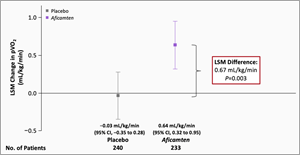
LSM change in pVO2
Figure 3: Pre-Specified Subgroups for KCCQ-CSS and pVO2
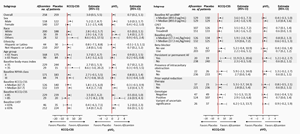
Subgroup analysis for KCCQ-CSS and pVO2
Legal Disclaimer:
EIN Presswire provides this news content "as is" without warranty of any kind. We do not accept any responsibility or liability for the accuracy, content, images, videos, licenses, completeness, legality, or reliability of the information contained in this article. If you have any complaints or copyright issues related to this article, kindly contact the author above.
